 हिन्दी
 English

Sienna Rasco
The Rise of Home Exercise Bikes: A Comprehensive Guide
Over the last few years, home stationary bicycle have actually risen in popularity as more people look for efficient methods to remain fit while balancing their busy lives. With the convenience of indoor biking, these bikes function as an excellent option to traditional gym subscriptions, offering various benefits that deal with numerous fitness levels and choices. This article checks out the types, benefits, and essential features to consider when purchasing a home exercise bike, along with dealing with often asked concerns to help customers in making informed decisions.
Kinds Of Home Exercise Bikes
Home stationary bicycle can be found in different styles, each dealing with various choices and exercise objectives. Below is a summary of the most typical types:
Type of BikeDescriptionKey FeaturesUpright BikeA standard cycling position simulating outdoor cyclingCompact design, low effect on jointsRecumbent BikeFeatures a reclined seat and back assistanceComfy seating, ideal for users with back problemsSpin BikeMimics racing bikes, provides a more intense exerciseAdjustable resistance, suitable for high-intensity trainingHybrid BikeIntegrates functions of upright and recumbent bikesVersatile style, adjustable seating position1. Upright Bikes
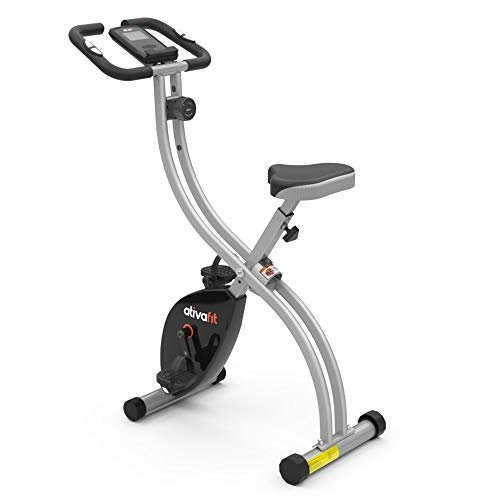
Upright bikes are created to imitate outdoor biking with a straight-up seating posture. They are perfect for users looking for a full-body exercise while improving cardiovascular fitness.
2. Recumbent Bikes
These bikes allow the user to being in a reclined position with back assistance, making them suitable for older grownups or those recovering from injuries. The style lessens stress on the back while still using a cardiovascular workout.
3. Spin Bikes
Spin bikes are developed for high-intensity period training (HIIT) and are typically utilized in spinning classes. They feature adjustable tension to simulate cycling on different terrains. These bikes are particularly popular amongst fitness enthusiasts who wish to press their limitations.
4. Hybrid Bikes
A blend of upright and recumbent designs, hybrid bikes accommodate a range of users by permitting seat changes for various riding positions.
Benefits of Home Exercise Bikes
Purchasing a home exercise bike can provide various physical and psychological benefits, such as:
1. ConvenienceNo requirement to take a trip to the gym.Capability to exercise anytime, despite climate condition.2. Cost-EffectiveNo continuous gym membership fees.Lower upkeep expenses compared to other fitness equipment.3. Space-Saving OptionsNumerous models are designed to be compact and collapsible.Perfect for little home.4. Health BenefitsCardiovascular Fitness: Enhances heart health, promotes better circulation, and help in weight reduction.Joint Health: Offers a low-impact exercise, decreasing stress on joints.Mental Well-being: Releases endorphins, minimizing tension and stress and anxiety.5. Adjustable WorkoutsAdjustable resistance settings accommodate different fitness levels.Built-in programs for structured exercises.Key Features to Consider
When selecting a home exercise bike - please click the following page,, it's crucial to examine particular features that align with individual fitness goals. Below are some important aspects to consider:
Adjustable Seat Height: Ensures correct posture and convenience throughout workouts.Resistance Levels: More levels permit for different workouts and development as strength enhances.Display Console: Should track metrics such as time, range, speed, and calories burned.Pedal System: Look for adjustable pedals with straps for a safe fit.Integrated Programs: Bikes with preset programs can offer guided workouts and motivation.Bluetooth Connective Features: Some bikes permit connection to fitness apps for enhanced tracking and engagement.Maintenance and Care
Taking care of a stationary bicycle can extend its life expectancy and make sure a top quality exercise experience. Here are essential maintenance ideas:
Cleaning: Wipe down the bike after every usage to avoid buildup of dust and sweat.Oiling Moving Parts: Regularly examine and oil the chain and other moving components to keep them operating smoothly.Tightening Up Bolts and Screws: Ensure the bike remains stable by examining all screws and bolts periodically.Storing Properly: If the bike is foldable, store it in a dry location to prevent rusting or damage.Regularly Asked Questions (FAQs)1. How much area do I require for a home exercise bike?
The majority of exercise bikes require a space of about 5 to 10 square feet, depending upon the model. Think about extra area for comfort and movement.
2. Are exercise bikes ideal for all fitness levels?
Yes, stationary bicycle accommodate all fitness levels. Adjustable resistance and seat setups make them accessible for beginners and experts alike.
3. How frequently should I utilize a home exercise bike?
For optimum outcomes, goal for at least 150 minutes of moderate aerobic activity every week. This can equate to about 30 minutes of cycling each day, five times a week.
4. Do I need special shoes for spin bikes?
While not mandatory, biking shoes are recommended for spin bikes as they offer much better support and permit you to clip into the pedals for enhanced control.
5. How do I pick the ideal bike for my requirements?
Examine your fitness objectives, examine available space, and think about budget constraints. It might also be practical to evaluate ride various models before buying.
Home exercise bikes represent an accessible and effective methods for individuals to accomplish their fitness objectives. With the variety of choices offered, from upright to recumbent and spin bikes, users can discover equipment that fits their needs. By comprehending the benefits, essential functions, and upkeep practices, those considering a purchase can make an informed choice that causes a much healthier and more active way of life. Whether for newbies or experienced fitness enthusiasts, exercise bikes show to be a valuable addition to any home workout routine.


