 हिन्दी
 English

Charlotte Hobart
The Rise of Home Exercise Bikes: A Comprehensive Guide
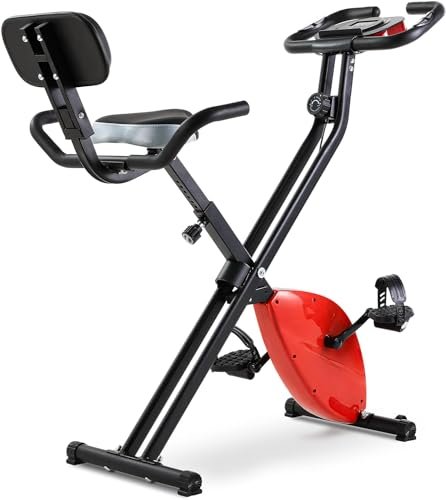
In the last few years, home stationary bicycle home exercise have risen in popularity as more individuals seek efficient methods to remain fit while balancing their busy lives. With the convenience of indoor biking, these bikes act as an exceptional alternative to standard gym subscriptions, using numerous advantages that deal with numerous fitness levels and preferences. This short article explores the types, advantages, and essential functions to think about when buying a home exercise bike, as well as addressing frequently asked concerns to assist consumers in making informed decisions.
Types of Home Exercise Bikes
Home exercise machine bikes can be found in various designs, each catering to various preferences and workout objectives. Below is an introduction of the most typical types:
Type of BikeDescriptionSecret FeaturesUpright BikeA standard cycling position replicating outdoor bikingCompact design, low effect on jointsRecumbent BikeFunctions a reclined seat and back assistanceComfy seating, ideal for users with back issuesSpin BikeSimulates racing bikes, offers a more extreme exerciseAdjustable resistance, suitable for high-intensity trainingHybrid BikeIntegrates functions of upright and recumbent bikesFlexible design, adjustable seating position1. Upright Bikes
Upright bikes are developed to simulate outdoor biking with a straight-up seating posture. They are ideal for users looking for a full-body workout while enhancing cardiovascular fitness.
2. Recumbent Bikes
These bikes permit the user to being in a reclined position with back assistance, making them ideal for older adults or those recuperating from injuries. The style reduces pressure on the back while still providing a cardiovascular exercise.
3. Spin Bikes
Spin bikes are developed for high-intensity period training (HIIT) and are often used in spinning classes. They feature adjustable stress to replicate cycling on various surfaces. These bikes are particularly popular among fitness lovers who wish to push their limitations.
4. Hybrid Bikes
A mix of upright and recumbent styles, hybrid bikes accommodate a range of users by permitting seat adjustments for different riding positions.
Advantages of Home Exercise Bikes
Purchasing a home stationary bicycle can provide different physical and mental advantages, such as:
1. ConvenienceNo need to take a trip to the gym.Ability to exercise anytime, no matter weather.2. Cost-efficientNo continuous gym subscription costs.Lower maintenance expenses compared to other fitness equipment.3. Space-Saving OptionsLots of models are developed to be compact and collapsible.Ideal for small home.4. Health BenefitsCardiovascular Fitness: Enhances heart health, promotes better blood circulation, and help in weight-loss.Joint Health: Offers a low-impact exercise, lowering tension on joints.Psychological Well-being: Releases endorphins, decreasing stress and anxiety.5. Adjustable WorkoutsAdjustable resistance settings accommodate numerous fitness levels.Built-in programs for structured exercises.Key Features to Consider
When choosing a home stationary bicycle, it's crucial to examine specific features that line up with personal fitness goals. Below are some essential elements to think about:
Adjustable Seat Height: Ensures proper posture and convenience throughout exercises.Resistance Levels: More levels enable varied exercises and development as strength enhances.Display Console: Should track metrics such as time, distance, speed, and calories burned.pedal exerciser System: Look for adjustable pedals with straps for a protected fit.Built-in Programs: Bikes with pre-programmed programs can offer assisted exercises and inspiration.Bluetooth Connective Features: Some bikes allow connection to fitness apps for boosted tracking and engagement.Maintenance and Care
Taking care of a stationary bicycle can extend its life expectancy and guarantee a top quality Exercise Bikes Home experience. Here are essential maintenance tips:
Cleaning: Wipe down the bike after every usage to avoid buildup of dust and sweat.Oiling Moving Parts: Regularly check and lube the chain and other moving elements to keep them working smoothly.Tightening Bolts and Screws: Ensure the bike stays steady by inspecting all screws and bolts regularly.Keeping Properly: If the bike is foldable, store it in a dry location to prevent rusting or damage.Often Asked Questions (FAQs)1. How much space do I need for a home exercise bike?
A lot of exercise bikes need an area of about 5 to 10 square feet, depending on the design. Consider extra space for convenience and motion.
2. Are stationary bicycle ideal for all fitness levels?
Yes, exercise bikes accommodate all fitness levels. Adjustable resistance and seat configurations make them accessible for novices and experts alike.
3. How often should I use a home exercise bike?
For optimal results, aim for a minimum of 150 minutes of moderate aerobic activity every week. This can equate to about 30 minutes of cycling per day, five times a week.
4. Do I require unique shoes for spin bikes?
While not mandatory, biking shoes are suggested for spin bikes as they provide better assistance and allow you to clip into the pedals for improved control.
5. How do I pick the best bike for my needs?
Assess your fitness goals, assess available area, and consider budget plan restrictions. It may also be helpful to check trip various models before buying.
Home exercise bikes represent an accessible and efficient means for people to accomplish their fitness goals. With the range of options readily available, from upright to recumbent and spin bikes, users can discover devices that fits their needs. By comprehending the benefits, necessary functions, and upkeep practices, those thinking about a purchase can make an educated option that results in a healthier and more active way of life. Whether for newbies or skilled fitness enthusiasts, exercise bikes prove to be an important addition to any home exercise regimen.
In the last few years, home stationary bicycle home exercise have risen in popularity as more individuals seek efficient methods to remain fit while balancing their busy lives. With the convenience of indoor biking, these bikes act as an exceptional alternative to standard gym subscriptions, using numerous advantages that deal with numerous fitness levels and preferences. This short article explores the types, advantages, and essential functions to think about when buying a home exercise bike, as well as addressing frequently asked concerns to assist consumers in making informed decisions.
Types of Home Exercise Bikes
Home exercise machine bikes can be found in various designs, each catering to various preferences and workout objectives. Below is an introduction of the most typical types:
Type of BikeDescriptionSecret FeaturesUpright BikeA standard cycling position replicating outdoor bikingCompact design, low effect on jointsRecumbent BikeFunctions a reclined seat and back assistanceComfy seating, ideal for users with back issuesSpin BikeSimulates racing bikes, offers a more extreme exerciseAdjustable resistance, suitable for high-intensity trainingHybrid BikeIntegrates functions of upright and recumbent bikesFlexible design, adjustable seating position1. Upright Bikes
Upright bikes are developed to simulate outdoor biking with a straight-up seating posture. They are ideal for users looking for a full-body workout while enhancing cardiovascular fitness.
2. Recumbent Bikes
These bikes permit the user to being in a reclined position with back assistance, making them ideal for older adults or those recuperating from injuries. The style reduces pressure on the back while still providing a cardiovascular exercise.
3. Spin Bikes
Spin bikes are developed for high-intensity period training (HIIT) and are often used in spinning classes. They feature adjustable stress to replicate cycling on various surfaces. These bikes are particularly popular among fitness lovers who wish to push their limitations.
4. Hybrid Bikes
A mix of upright and recumbent styles, hybrid bikes accommodate a range of users by permitting seat adjustments for different riding positions.
Advantages of Home Exercise Bikes
Purchasing a home stationary bicycle can provide different physical and mental advantages, such as:
1. ConvenienceNo need to take a trip to the gym.Ability to exercise anytime, no matter weather.2. Cost-efficientNo continuous gym subscription costs.Lower maintenance expenses compared to other fitness equipment.3. Space-Saving OptionsLots of models are developed to be compact and collapsible.Ideal for small home.4. Health BenefitsCardiovascular Fitness: Enhances heart health, promotes better blood circulation, and help in weight-loss.Joint Health: Offers a low-impact exercise, lowering tension on joints.Psychological Well-being: Releases endorphins, decreasing stress and anxiety.5. Adjustable WorkoutsAdjustable resistance settings accommodate numerous fitness levels.Built-in programs for structured exercises.Key Features to Consider
When choosing a home stationary bicycle, it's crucial to examine specific features that line up with personal fitness goals. Below are some essential elements to think about:
Adjustable Seat Height: Ensures proper posture and convenience throughout exercises.Resistance Levels: More levels enable varied exercises and development as strength enhances.Display Console: Should track metrics such as time, distance, speed, and calories burned.pedal exerciser System: Look for adjustable pedals with straps for a protected fit.Built-in Programs: Bikes with pre-programmed programs can offer assisted exercises and inspiration.Bluetooth Connective Features: Some bikes allow connection to fitness apps for boosted tracking and engagement.Maintenance and Care
Taking care of a stationary bicycle can extend its life expectancy and guarantee a top quality Exercise Bikes Home experience. Here are essential maintenance tips:
Cleaning: Wipe down the bike after every usage to avoid buildup of dust and sweat.Oiling Moving Parts: Regularly check and lube the chain and other moving elements to keep them working smoothly.Tightening Bolts and Screws: Ensure the bike stays steady by inspecting all screws and bolts regularly.Keeping Properly: If the bike is foldable, store it in a dry location to prevent rusting or damage.Often Asked Questions (FAQs)1. How much space do I need for a home exercise bike?
A lot of exercise bikes need an area of about 5 to 10 square feet, depending on the design. Consider extra space for convenience and motion.
2. Are stationary bicycle ideal for all fitness levels?
Yes, exercise bikes accommodate all fitness levels. Adjustable resistance and seat configurations make them accessible for novices and experts alike.
3. How often should I use a home exercise bike?
For optimal results, aim for a minimum of 150 minutes of moderate aerobic activity every week. This can equate to about 30 minutes of cycling per day, five times a week.
4. Do I require unique shoes for spin bikes?
While not mandatory, biking shoes are suggested for spin bikes as they provide better assistance and allow you to clip into the pedals for improved control.
5. How do I pick the best bike for my needs?
Assess your fitness goals, assess available area, and consider budget plan restrictions. It may also be helpful to check trip various models before buying.
Home exercise bikes represent an accessible and efficient means for people to accomplish their fitness goals. With the range of options readily available, from upright to recumbent and spin bikes, users can discover devices that fits their needs. By comprehending the benefits, necessary functions, and upkeep practices, those thinking about a purchase can make an educated option that results in a healthier and more active way of life. Whether for newbies or skilled fitness enthusiasts, exercise bikes prove to be an important addition to any home exercise regimen.
Made By Lynkz
