 हिन्दी
 English

Delphia Cordner
Winter Tires for SUVs: Essential Knowledge for the Cold Season
As the leaves change and winter techniques, numerous SUV owners discover themselves weighing the advantages of investing in winter tires. While all-season tires may be adequate for moderate winter conditions, dedicated winter tires can significantly improve security, traction, and efficiency throughout harsh weather. In this extensive guide, we will check out whatever you require to understand about winter tires for SUVs, including their advantages, crucial functions, top designs, and often asked questions.
Why Choose Winter Tires?
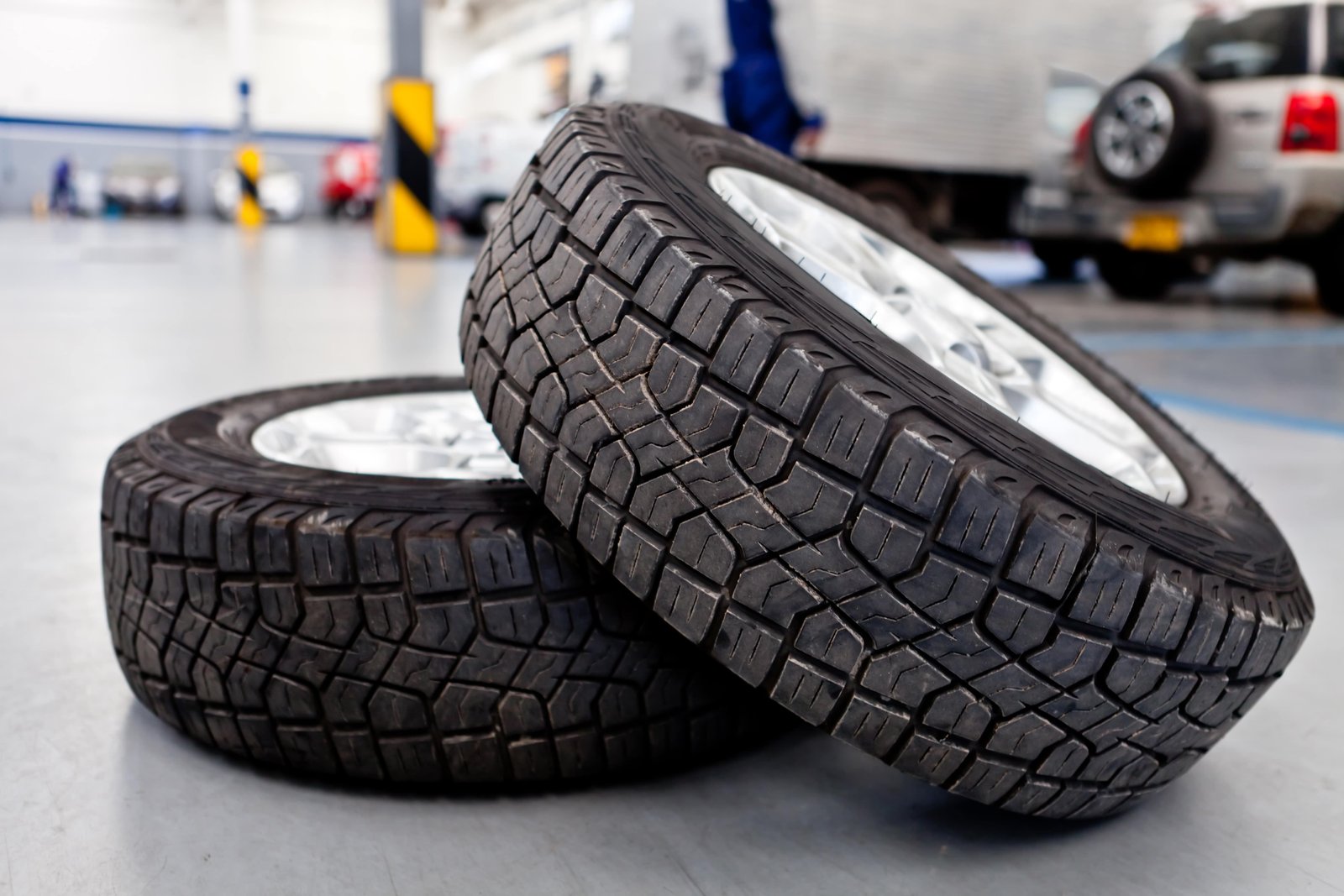
Winter tires are specifically designed to carry out under cold temperatures, snow, and ice. Their special rubber substances and tread patterns set them apart from all-season tires. Below are some vital reasons to select winter tires for your SUV this winter:
Enhanced Traction: The specialized tread design features much deeper grooves and more biting edges that grip the road better in snowy and icy conditions.Enhanced Handling: Winter tires provide much better steering response, minimizing the risk of losing control on slippery roadways.Shorter Stopping Distances: Research shows that winter tires can decrease stopping distances significantly compared to all-season tires, particularly on snow and ice.Optimal Performance in Cold Weather: Unlike all-season tires, which harden and lose grip in cold temps, winter tires keep their versatility and traction even in freezing conditions.Key Features of Winter Tires
To comprehend what makes winter tires efficient, it's vital to know the essential features that separate them from other tire types:
FeatureWinter TiresAll-Season TiresRubber CompositionSofter rubber that remains flexible in low tempsMore difficult rubber that can become stiff in coldTread DesignSpecial patterns designed for snow and iceModerate tread patterns matched for different conditionsGroove DepthMuch deeper grooves to avoid snow buildupShallower groovesSidewall FeaturesStrengthened sidewalls for better stabilityStandard sidewalls with fewer specialized functionsTemperature level RatingOptimized for performance below 7 ° C(45 ° F)Suitable for a wide variety of temperaturesTop Winter Tire Models for SUVs
When choosing winter tires for an SUV, numerous designs stand out for their efficiency, sturdiness, and customer reviews. Here are a few of the very best choices presently readily available:
Tire ModelKey FeaturesCar CompatibilityTypical PriceBridgestone Blizzak DM-V2Exceptional snow and ice traction, aggressive treadSUVs, CUVs₤ 150 - ₤ 200 per tireMichelin X-Ice Xi3Superior managing on ice, peaceful tripSUVs, CUVs₤ 160 - ₤ 210 per tireGoodyear Ultra Grip Ice WRTExtraordinary grip in serious winter conditionsSUVs, CUVs, Trucks₤ 140 - ₤ 180 per tireContinental WinterContact SIIngenious tread tech boosts winter efficiencySUVs, CUVs₤ 120 - ₤ 170 per tireNokian Hakkapeliitta R3Advanced grip and handling, eco-friendlySUVs, CUVs₤ 180 - ₤ 230 per tireRegularly Asked Questions (FAQs)1. When should I set up winter tires?
It is advised to install winter tires when the typical daily temperatures drop below 7 ° C (45 ° F) regularly. This normally takes place in late fall, however weather condition can vary by area.
2. Can I utilize winter tires year-round?
No, winter tires are created specifically for cold conditions and will break quickly on warm, dry roadways. Using them year-round might likewise compromise handling and safety.
3. Do I require winter tires on all 4 wheels?
Yes, it is advisable to install winter tires on all 4 wheels to make sure well balanced handling and stability. This prevents handling concerns and the possibility of losing control.
4. How do I store my winter tires?
Store winter tires in a cool, dry place, away from sunshine to prevent destruction. Keep them upright if mounted on rims or stacked if dismounted, utilizing tire covers for included defense.
5. Can winter tires improve fuel efficiency?
While winter tires are enhanced for safety and handling in winter conditions, they might somewhat lower fuel effectiveness compared to all-season tires due to their tread style. Nevertheless, the boosted security and control they supply exceed this concern.
6. What is the difference between studded and non-studded winter tires?
Studded winter tires have actually metal studs embedded in the tread for improved traction on ice, while non-studded tires use an unique rubber compound and tread design for grip without metal studs. Studded tires are often most reliable on icy roads but may cause damage to pavement.
Selecting the Right Winter Tires for Your SUV
Selecting the ideal winter tires for an SUV includes considering driving habits, typical winter weather condition in your area, and your vehicle's specific requirements. Here are some aspects to keep in mind:
Driving Conditions: If you often drive in heavy snowfall or icy conditions, Sommerreifen Testsieger 2024 focus on tires known for exceptional grip and handling, such as studded tires.Tread Pattern: Look for patterns that have a combination of sipes, grooves, and edges to make the most of traction.Brand Reputation: Opt for reputable brand names that use warranties and reviews showing their efficiency in winter conditions.Price: Although cost shouldn't be the only aspect, it's necessary to discover a balance between quality and budget plan.
Purchasing winter tires for your SUV is a sensible decision for safety and performance during the cold months. By comprehending the advantages, features, and alternatives available, SUV owners can make an informed choice tailored to their driving needs. Whether browsing snowy city streets or tackling rugged nation roads, winter tires will supply traction and stability, ensuring a smoother driving experience throughout the winter season.
As the leaves change and winter techniques, numerous SUV owners discover themselves weighing the advantages of investing in winter tires. While all-season tires may be adequate for moderate winter conditions, dedicated winter tires can significantly improve security, traction, and efficiency throughout harsh weather. In this extensive guide, we will check out whatever you require to understand about winter tires for SUVs, including their advantages, crucial functions, top designs, and often asked questions.
Why Choose Winter Tires?
Winter tires are specifically designed to carry out under cold temperatures, snow, and ice. Their special rubber substances and tread patterns set them apart from all-season tires. Below are some vital reasons to select winter tires for your SUV this winter:
Enhanced Traction: The specialized tread design features much deeper grooves and more biting edges that grip the road better in snowy and icy conditions.Enhanced Handling: Winter tires provide much better steering response, minimizing the risk of losing control on slippery roadways.Shorter Stopping Distances: Research shows that winter tires can decrease stopping distances significantly compared to all-season tires, particularly on snow and ice.Optimal Performance in Cold Weather: Unlike all-season tires, which harden and lose grip in cold temps, winter tires keep their versatility and traction even in freezing conditions.Key Features of Winter Tires
To comprehend what makes winter tires efficient, it's vital to know the essential features that separate them from other tire types:
FeatureWinter TiresAll-Season TiresRubber CompositionSofter rubber that remains flexible in low tempsMore difficult rubber that can become stiff in coldTread DesignSpecial patterns designed for snow and iceModerate tread patterns matched for different conditionsGroove DepthMuch deeper grooves to avoid snow buildupShallower groovesSidewall FeaturesStrengthened sidewalls for better stabilityStandard sidewalls with fewer specialized functionsTemperature level RatingOptimized for performance below 7 ° C(45 ° F)Suitable for a wide variety of temperaturesTop Winter Tire Models for SUVs
When choosing winter tires for an SUV, numerous designs stand out for their efficiency, sturdiness, and customer reviews. Here are a few of the very best choices presently readily available:
Tire ModelKey FeaturesCar CompatibilityTypical PriceBridgestone Blizzak DM-V2Exceptional snow and ice traction, aggressive treadSUVs, CUVs₤ 150 - ₤ 200 per tireMichelin X-Ice Xi3Superior managing on ice, peaceful tripSUVs, CUVs₤ 160 - ₤ 210 per tireGoodyear Ultra Grip Ice WRTExtraordinary grip in serious winter conditionsSUVs, CUVs, Trucks₤ 140 - ₤ 180 per tireContinental WinterContact SIIngenious tread tech boosts winter efficiencySUVs, CUVs₤ 120 - ₤ 170 per tireNokian Hakkapeliitta R3Advanced grip and handling, eco-friendlySUVs, CUVs₤ 180 - ₤ 230 per tireRegularly Asked Questions (FAQs)1. When should I set up winter tires?
It is advised to install winter tires when the typical daily temperatures drop below 7 ° C (45 ° F) regularly. This normally takes place in late fall, however weather condition can vary by area.
2. Can I utilize winter tires year-round?
No, winter tires are created specifically for cold conditions and will break quickly on warm, dry roadways. Using them year-round might likewise compromise handling and safety.
3. Do I require winter tires on all 4 wheels?
Yes, it is advisable to install winter tires on all 4 wheels to make sure well balanced handling and stability. This prevents handling concerns and the possibility of losing control.
4. How do I store my winter tires?
Store winter tires in a cool, dry place, away from sunshine to prevent destruction. Keep them upright if mounted on rims or stacked if dismounted, utilizing tire covers for included defense.
5. Can winter tires improve fuel efficiency?
While winter tires are enhanced for safety and handling in winter conditions, they might somewhat lower fuel effectiveness compared to all-season tires due to their tread style. Nevertheless, the boosted security and control they supply exceed this concern.
6. What is the difference between studded and non-studded winter tires?
Studded winter tires have actually metal studs embedded in the tread for improved traction on ice, while non-studded tires use an unique rubber compound and tread design for grip without metal studs. Studded tires are often most reliable on icy roads but may cause damage to pavement.
Selecting the Right Winter Tires for Your SUV
Selecting the ideal winter tires for an SUV includes considering driving habits, typical winter weather condition in your area, and your vehicle's specific requirements. Here are some aspects to keep in mind:
Driving Conditions: If you often drive in heavy snowfall or icy conditions, Sommerreifen Testsieger 2024 focus on tires known for exceptional grip and handling, such as studded tires.Tread Pattern: Look for patterns that have a combination of sipes, grooves, and edges to make the most of traction.Brand Reputation: Opt for reputable brand names that use warranties and reviews showing their efficiency in winter conditions.Price: Although cost shouldn't be the only aspect, it's necessary to discover a balance between quality and budget plan.
Purchasing winter tires for your SUV is a sensible decision for safety and performance during the cold months. By comprehending the advantages, features, and alternatives available, SUV owners can make an informed choice tailored to their driving needs. Whether browsing snowy city streets or tackling rugged nation roads, winter tires will supply traction and stability, ensuring a smoother driving experience throughout the winter season.

Made By Lynkz
